The T-Shirt Outlived the Album: Inside the Quiet Rise of Tour Merch as Fashion
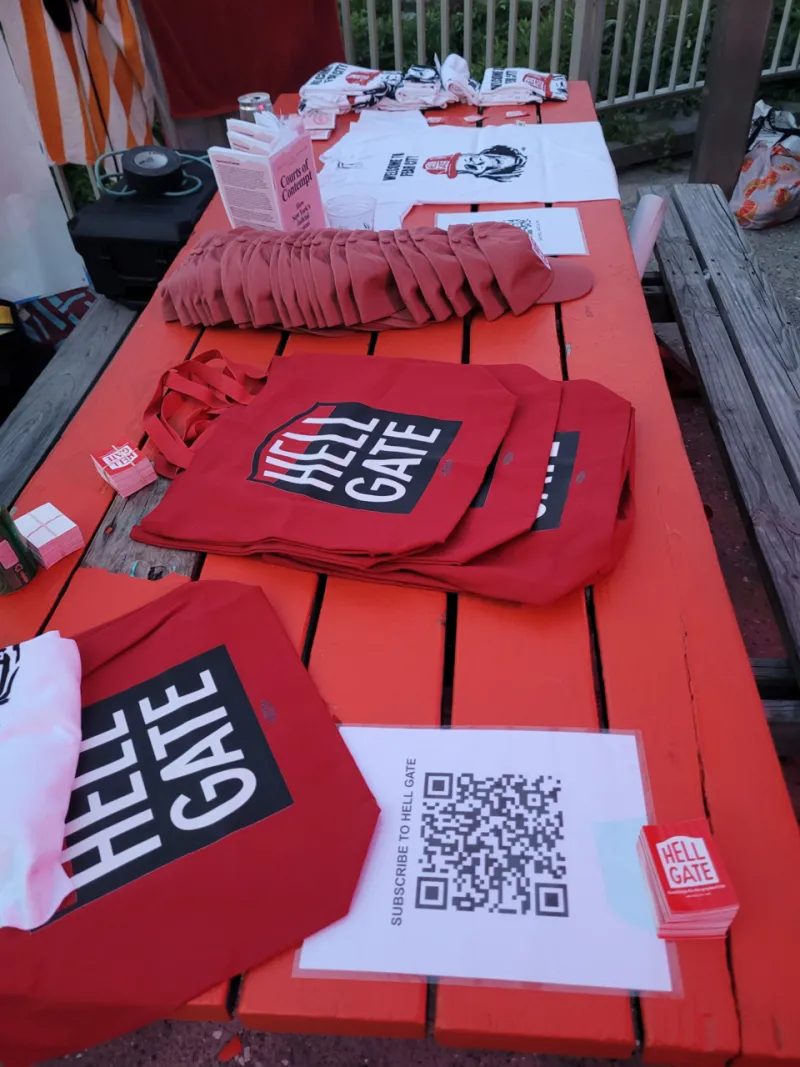
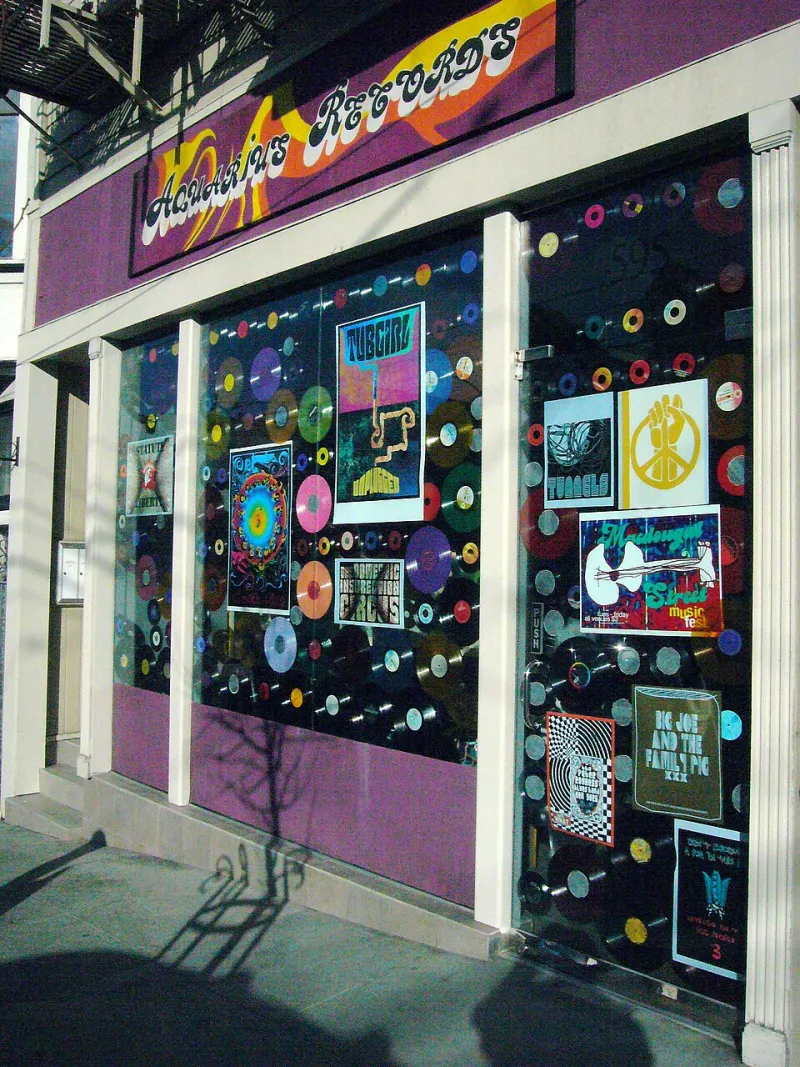
Photo: Sumanah, CC BY-SA 4.0, via Wikimedia Commons
There's a moment happening at every arena show in America right now, and it has nothing to do with the encore. It's the line at the merch table — twenty deep before doors, forty deep by the third song, everyone craning their necks at a wall of garments hung like a boutique in Brooklyn.
Twenty years ago, that table was an obligation. A tour manager would call a printer, pick from a catalog of clip-art fonts, and hope the XXLs moved. Today, the merch table is a design studio's biggest client meeting, and the t-shirt has quietly become the most reliable product in the music business.
The Person Who Isn't the Stylist
A growing number of touring artists now work with what the industry loosely calls a merch director or style lead — someone whose entire job is the wardrobe that gets sold, not worn. The role sits somewhere between creative director, supply chain manager, and streetwear hype architect.
The shift happened for a simple reason: fans stopped treating the tee as a souvenir and started treating it as an outfit. When that flipped, the design brief changed. Baggy boxy fits borrowed from vintage racing tees. Faded washes that look pre-loved on purpose. Back prints that read like gallery posters. The best tour merch now competes with anything hanging at a Zumiez or a Supreme drop — and often costs more.
The Math Nobody Talks About
Here's the part that turned merch from an afterthought into a strategy: the margins are absurd, and they're entirely the artist's.
Recorded music pays out in fractions. Streaming pays in pennies. Ticketing revenue gets carved up by venues, promoters, and fees before anyone sees a dollar. But a shirt that costs $6 to print and $45 to sell? Depending on the venue deal, the artist's cut of that transaction can dwarf what they earn from a month of plays.
That's why tours now budget merch tables like they budget stage design. It's why artists hire apparel companies that operate year-round, not just on tour cycles. And it's why the person designing the tee sometimes has more creative control than the person shooting the album cover.
Merch-First Brands Are Already Here
The logical endpoint of this trend is already walking around. A wave of acts — and ex-acts — have launched apparel labels where the music is essentially the marketing arm for the clothing. The band plays the show; the brand ships the capsule collection. Some of these labels outgross the catalog.
The design language these brands speak comes straight from streetwear: numbered editions, timed drops, deliberate scarcity. Miss the show? Miss the shirt. That artificial scarcity isn't accidental — it's imported wholesale from sneaker culture, where waiting in line became its own form of fandom.
There's a feedback loop, too. Vintage tour tees from the '80s and '90s now resell for hundreds of dollars, which taught a generation of fans that merch can be an artifact, not a rag. Designers know their shirts might be the collectible of 2045, and they design accordingly.
Why the Shirt Wins
Ask around and you'll hear the same confession: people who haven't streamed an album in years still wear the shirt. A tee is physical, it's wearable, it says something about you without you saying anything. An album — even a deluxe vinyl with a lenticular cover — mostly sits on a shelf.
For a site obsessed with where sound, design, and stories collide, this is the collision in its purest form. The music gets you in the door. The design is what you carry out. And increasingly, the design is the part with a business plan.
So next time you pass a merch line snaking through a lobby, don't see it as fans buying souvenirs. See it as a pop-up shop with a live soundtrack — staffed by a style director you've never heard of, selling the product that might outlast the record.
The encore fades. The tee, laundered and faded and worn to shreds, keeps telling the story long after the streaming numbers stop moving.