Bring Your Tote Bag, Stay Till Close: The Record Store That Acts Like Your Friend's Apartment
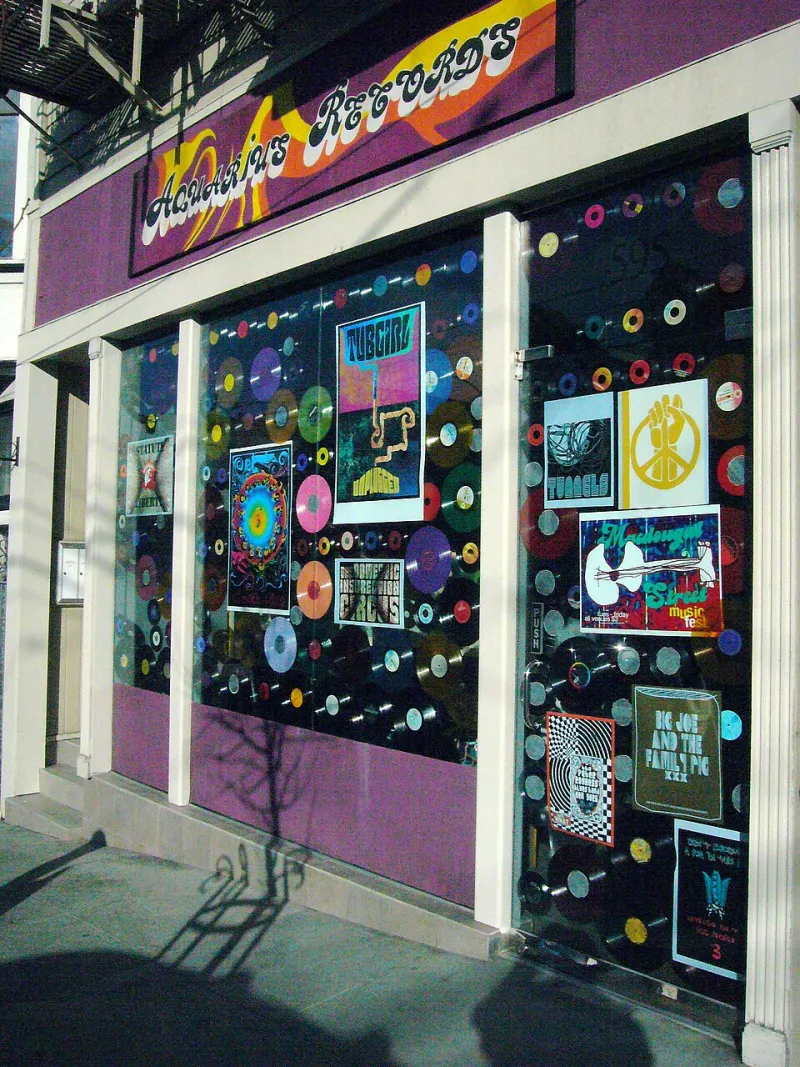
Photo: David Lytle, CC BY 2.0, via Wikimedia Commons
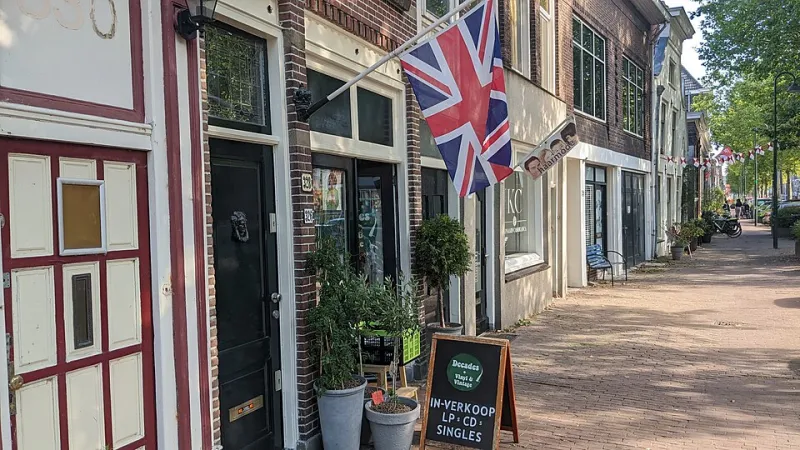
Walk into most retail spaces and you'll feel it immediately: the fluorescent hum, the unspoken message that you should find what you want and leave. Walk into a certain breed of independent record store—say, one in a converted laundromat in Portland or a former barbershop in East Nashville—and you'll feel the opposite. Somebody designed you to linger.
That's not an accident. It's a business plan.
The Economics of Loitering
Streaming gutted the margin on recorded music decades ago. A shop selling new vinyl at $30 might clear a few bucks a unit after wholesale. Nobody's paying rent on that math alone. So the stores that survived—and the ones opening now—stopped thinking like retailers and started thinking like hosts.
The result is a quiet spatial revolution. Listening bars with actual bar seating. Back rooms that transform from overflow stock to zine fairs to 11 p.m. DJ sets with zero notice. Coffee programs that, frankly, fund the record buying. The register became a formality; the room became the product.
Three Stores, Three Blueprints
Consider the archetypes emerging across the country. There's the community anchor—the shop that hosts teen beat-making workshops on Saturday afternoons because the local library closed its media lab. Its floor plan is built around a big central table, not shelves. The records ring the perimeter like a museum wall.
Then there's the nightlife hybrid. By day it's a browser's paradise with obsessive genre separation and handwritten shelf-talkers. By night, the lights drop, a small PA comes alive, and the owner's cousin spins Brazilian jazz-funk to a crowd of forty. The design trick here is modularity: everything on wheels, everything on casters, nothing precious.
And finally, the collector's salon—smaller, more curated, almost gallery-like. Fewer titles, deeper cuts, a single listening chair positioned in front of a genuinely great sound system. This store sells an hour of being somewhere, and the records are the souvenir.
Design Choices You Can Hear
What's striking to anyone who thinks about sound and space—our whole thing here at Lamongeins—is how deliberately these rooms are tuned. Ceilings get treated so conversation is possible at 6 p.m. and the music still breathes at 10. Lighting shifts from task-bright to amber as the day goes on, an unspoken signal that the rules have changed.
Even the merch matters differently now. A shop tee isn't advertising; it's a membership card. The tote bag is a uniform. These stores understand something mainstream retail never quite grasped: people don't decorate their lives with products. They decorate with belonging.
So Is This a Business or a Vibe?
Skeptics will note that vibes don't pay landlords, and they're partly right. Plenty of these experiments will fail. But the ones that work have found something durable: a reason to exist that an algorithm can't replicate. Spotify knows what you liked last Tuesday. It doesn't know the owner's dog's name, or which shelf holds the record your dad played on road trips.
The future of music retail, it turns out, might not be about music retail at all. It might be about designing a room worth walking into—and trusting the records to follow.