Pay First, Finish Later: The Strange Business of Selling Songs That Don't Exist Yet
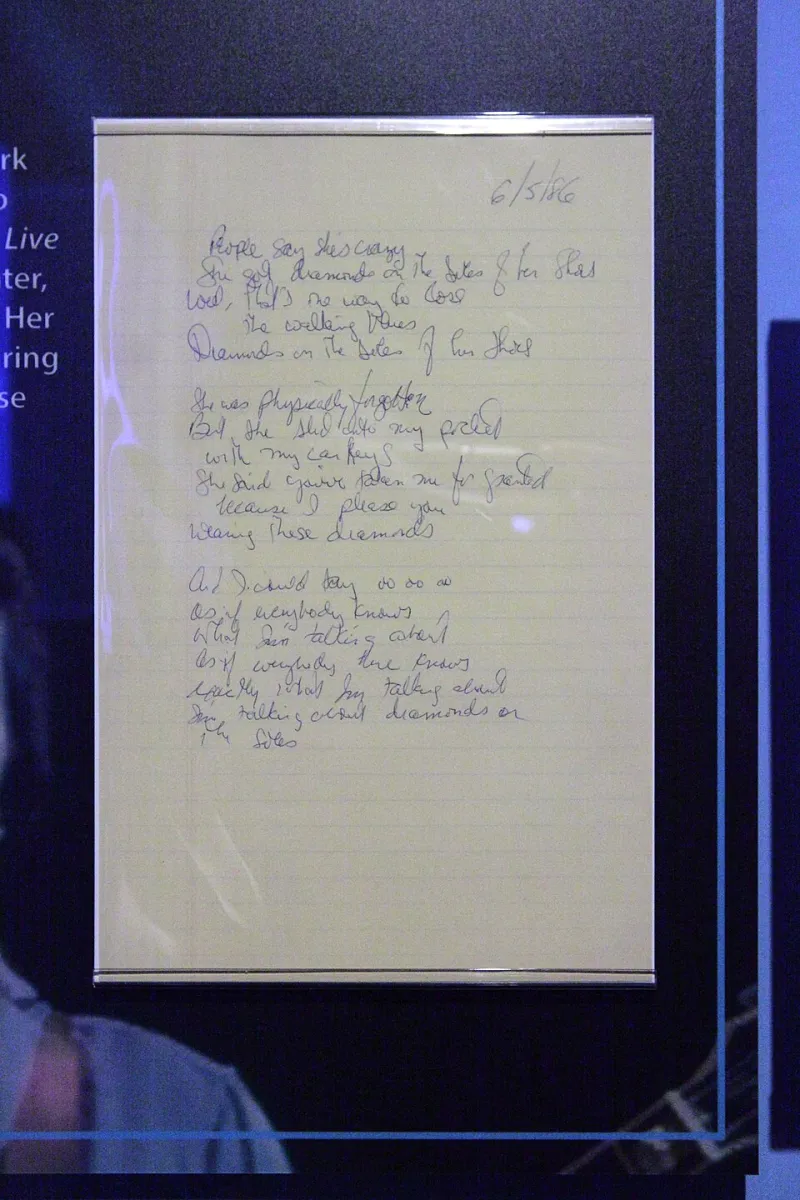
Photo: Sam Howzit, CC BY 2.0, via Wikimedia Commons
Somewhere on Bandcamp right now, a musician is charging you twelve dollars for a song with a phone vibration audible in the second verse. And people are buying it. Happily. In advance.
Welcome to demo tape economics, the quiet little corner of the music economy where the product isn't a song — it's the idea of a song, sold in its most vulnerable state. Voice memos recorded in parked cars. Work tapes with count-offs and muttered lyrics. Stems, sketch pads, folder dumps labeled "album 3 maybe??" It's the musical equivalent of buying a painting mid-stroke, and it's growing fast enough that platforms have built features around it.
The Patreon Effect
The infrastructure matters. Patreon normalized the subscription model for creators; Bandcamp gave artists a storefront with no gatekeeper; and a generation of listeners raised on TikTok snippets and leaked sessions developed a taste for the process, not just the product.
The result: a tiered economy of incompleteness. Five bucks a month gets you the occasional voice memo. Fifteen gets you the demo the day it's recorded. The top tier gets your name in the liner notes of a record that doesn't exist yet, which is either a beautiful act of trust or the boldest pre-order in entertainment history.
What's striking is who's doing it. This isn't just bedroom artists with 40 followers. Established indie acts — the kind who could fund a proper record — are deliberately releasing the rough versions first, then the finished ones, sometimes months apart, to the same audience.
Why Would Anyone Pay for a First Draft?
Talk to the fans and the answer circles back to one word: access.
"A finished album is a performance," says one Patreon supporter who backs three artists, none of whom she's seen live. "A demo is a conversation. You hear them doubt a lyric. You hear the take where they laugh. When the final version drops, I feel like I watched them build it."
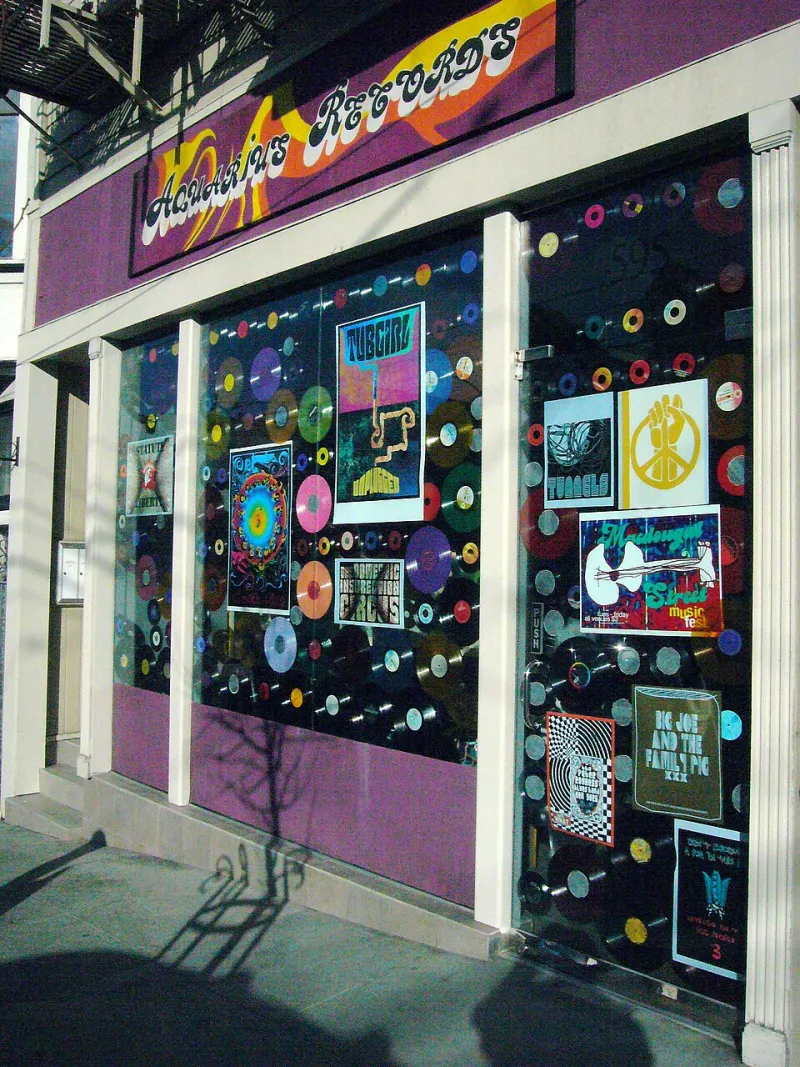
There's also the collector instinct — the same one that drives vinyl hoarding and tour poster obsessives. A demo is inherently scarce. Nobody else has this version, with the wrong drum machine and the lyric that got cut. It's a snapshot of a moment that officially never happened.
Imperfection as Luxury Good
Here's where it gets interesting from a design standpoint. For two decades, recorded music chased polish — quantized drums, tuned vocals, the invisible hand of the mixing engineer smoothing everything into gloss. Then streaming flattened everything into the same sonic wallpaper, and listeners started noticing what was missing.
What was missing was friction. Evidence of a human. A demo is the anti-gloss, and scarcity psychology did the rest: when everything is available instantly and infinitely, the rarest commodity is something unresolved. A song that might still change. A take that will never be repeated.
In that light, paying for a demo isn't charity and it isn't a novelty. It's the same logic that makes people pay more for wabi-sabi pottery with a visible thumbprint. The flaw is the signature.
The Fine Print
None of which means this economy is frictionless. Artists talk openly about the pressure of an audience that hears the rough version and grieves when the final one differs — or worse, campaigns to keep a lyric the artist had already outgrown. There's a parasocial tightrope here: the intimacy that sells the demo can curdle into ownership.
And there's a real question about whether fans are being asked to fund the same work twice — once for the sketch, once for the painting. Defenders argue that's exactly the point: the audience becomes the patron of the middle of the process, the part labels never used to pay for anyway.
Draft One, Released
Whether demo economics is a lasting shift or a pandemic-era holdover, something has undeniably changed: the distance between making a song and selling a song has collapsed to almost nothing. The voice memo is the single. The folder is the album. And a growing number of listeners have decided that watching a thing become itself is worth more than owning the finished version.
The first draft, it turns out, was never garbage. It was inventory.