3AM Generator Hum: The Soundtrack Nobody Puts on the Record
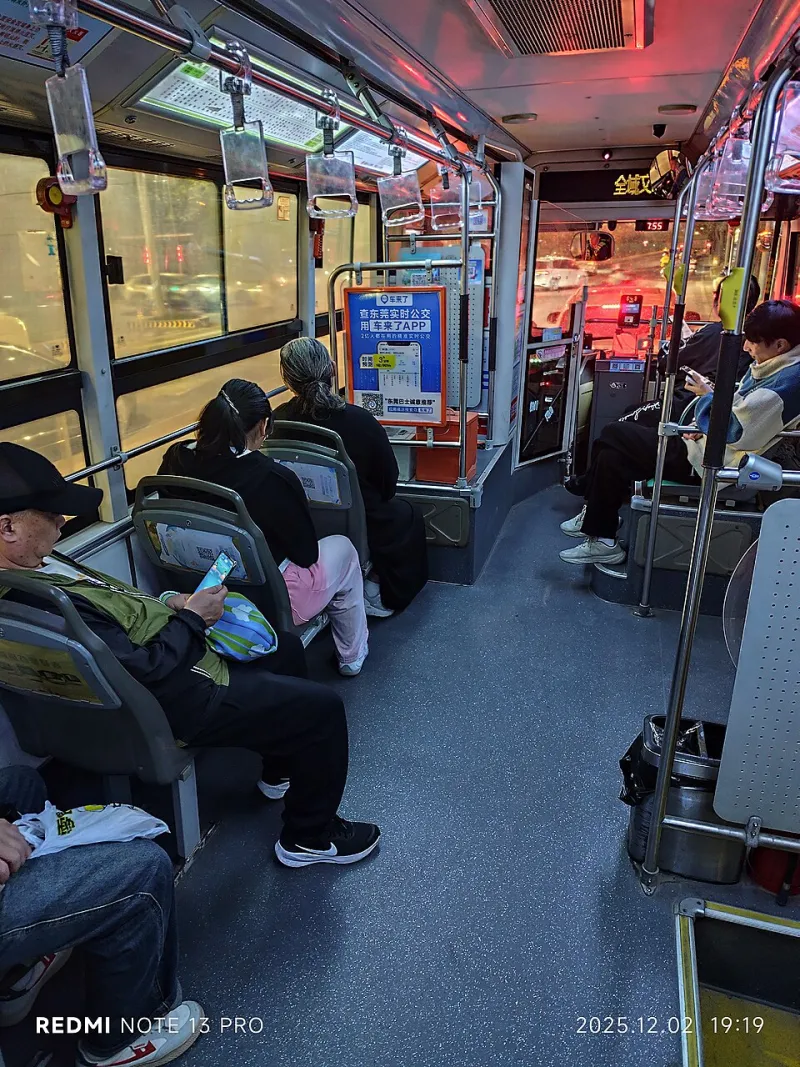
Photo: GWALOONG MWUANOOU, CC0, via Wikimedia Commons
There's a record nobody sells. It never charts, never gets a vinyl variant, never shows up on a year-end list. But if you've ever spent three weeks on a tour bus crossing Nebraska at 2AM, you know it by heart: the low drone of the generator, the hiss of the HVAC, the creak of a bunk latch, and forty feet of steel rolling through the dark.
We spent time with the people who live inside that sound — drivers, tour managers, and front-of-house engineers — and they all said versions of the same thing: the road has a mix, and somebody's always on the faders.
The Hum You Can't Turn Off
Ask any crew member about tour bus audio and the first thing they mention isn't music. It's the generator.
"That thing never stops," says a veteran tour manager who's logged over a decade with mid-size rock acts across the US. "You sleep next to it for six weeks. Get home, and the silence is what keeps you up. Your brain's waiting for the hum."
That constant mechanical bedrock does something strange to life on board. Conversations happen at half-volume. Arguments get settled in whispers because everyone's within earshot of everyone. The bus is, functionally, a very long, very tired recording studio — and the drone is the room tone.
Playlists Are Diplomacy
On a bus with twelve people and one aux situation, music selection isn't entertainment. It's foreign policy.
Most crews develop unwritten constitutions. Morning is mellow — nobody wants blasting guitars at 8AM after a 400-mile overnight drive. The front lounge belongs to whoever called it. And there's always one genre that's simply banned, the way certain countries have certain flags you don't fly.
"We had a no-cowbell rule for one whole tour," one driver told us, dead serious. "One song. One incident. Rule for the rest of the run."
The stakes are real. Ask around and you'll hear stories of bandmates who stopped speaking over a playlist dispute, and of crew who credit a shared road playlist — one song per person, no skips, no comments — with getting a difficult tour across the finish line. The aux cord, it turns out, is the most democratic instrument in American music.
Walkie-Talkie Opera
Then there's the show-day soundtrack that fans never hear: the radio chatter.
Load-in runs on a channel of clipped calls and static — "copy that," "who's got the snake?", the eternal "standing by." It's a genre unto itself, part logistics, part improv comedy. Crew members develop radio voices the way DJs develop on-air voices: calm, flat, faintly amused.
"You can tell how a tour is going by the radio tone," says a backline tech who's worked everything from arenas to dive-bar runs. "When it's going good, it's boring. When it's going bad, it gets real polite. Nobody yells on the radio. Yelling means you've already lost."
Soundcheck adds its own layer — the same eight bars of a song played for the fourth time, drum fills fired at the ceiling, a vocal mic tested with phrases that range from the classic "check one-two" to things we can't print. That half-hour of repetition is the true warm-up, and for the crew, it's practically ASMR.
The Silence Ritual
Here's the part that surprised us most: after the show, the loudest thing on the bus is nothing.
Many crews observe what amounts to a quiet-hours protocol. Post-show, everyone decompresses differently — some in the back lounge with headphones, some staring at passing highway signage, some just lying in a bunk listening to the tires. The rule is you don't fill that silence for anybody.
"People think touring is party, party, party," one front-of-house engineer told us. "Mostly it's waiting. Waiting to load in, waiting for soundcheck, waiting to sleep. The silence is the only thing that's actually yours."
Does It End Up in the Music?
Ask the crew whether any of this bleeds into the records fans eventually hear, and you'll get a shrug — followed by a very specific answer.
The road strips away ornament. Songs get played hundreds of times and either earn their keep or get cut. Arrangements tighten because tired hands tighten arrangements. And the emotional register of a record made after a long run — the exhaustion, the camaraderie, the weird homesickness for a place you've never been — has a way of ending up in the grooves.
The hum doesn't get credited in the liner notes. But it's there, underneath everything, the same way it's underneath every conversation, every argument, every 3AM diner stop off I-80.
So the next time you put on an album and feel something you can't quite name — that low, steady endurance running through the tracks — you might be hearing the bus. The fifth member. The one that never learned to play an instrument and never wanted to.