Pitch Perfect, Inc.: The Family Firms Who Quietly Own the Sound of America
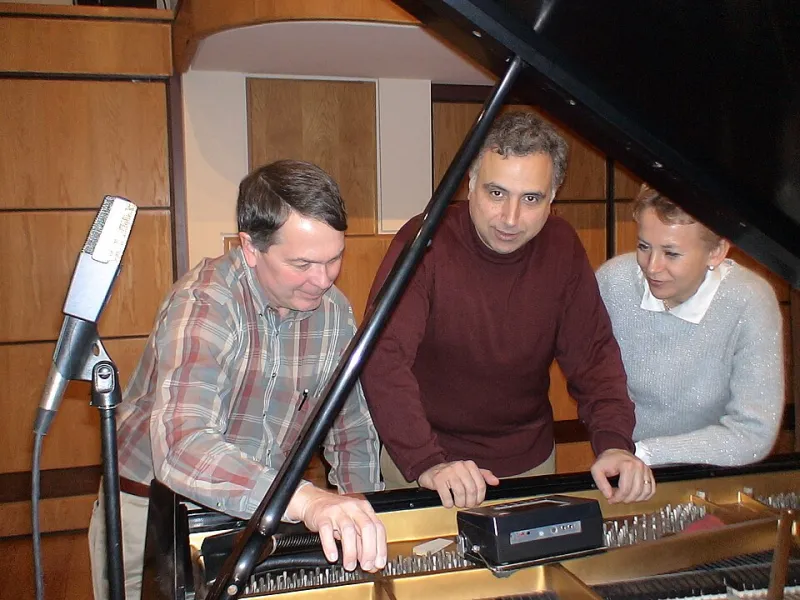
Photo: User:Raff645, CC BY-SA 3.0, via Wikimedia Commons
There's a moment before every orchestra performance that audiences treat like ritual: the oboe stands, plays an A, and everyone else falls in line. What most people don't realize is that the oboist is only the messenger. Decades before that note floats across the hall, someone — often a single technician, maybe a second-generation one, possibly working out of a garage in Ohio — decided exactly how many vibrations per second that A should carry.
Welcome to the world of pitch calibration. It's small, it's family-run, and it touches nearly every piece of recorded and live music you've ever heard.
The Oligarchy Nobody Elected
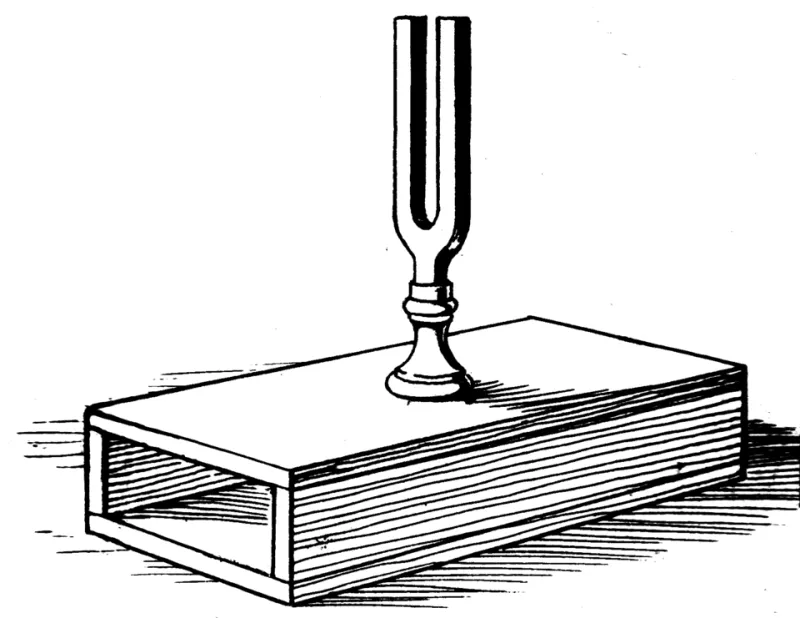
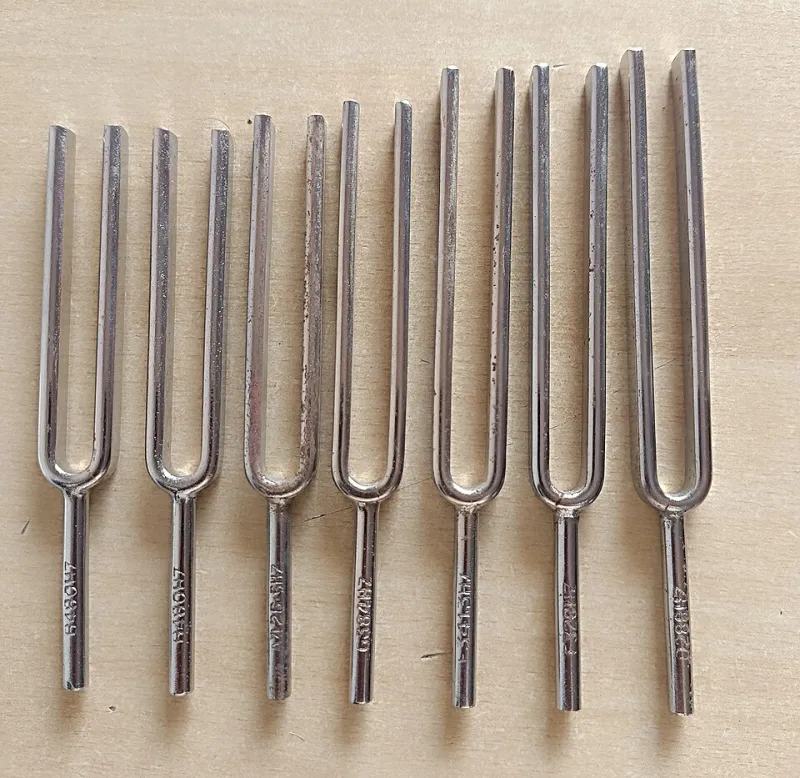
Standard pitch in the US officially sits at A440 — 440 hertz. But 'official' is doing a lot of heavy lifting there. In practice, pitch is set by a loose network of piano technicians, orchestra consultants, and instrument restorers, many of them running businesses with fewer than five employees. A handful of firms dominate the supply of tuning standards, reference forks, and electronic calibration tools used by everyone from Carnegie Hall to the studio down your street.
These aren't corporations with lobbying arms. They're dynasties. Ask around the Piano Technicians Guild and you'll hear the same surnames repeated — fathers who tuned for the major orchestras, daughters who now build the digital reference units, cousins who handle the East Coast accounts. One family might control the reference forks trusted by half the symphonies in America. Another might be the only shop in the country that still hand-voices the tuning bars used in recording studios.
It's less a mafia, more a village. But it has the same effect: a tiny group of people, mostly unknown to the public, deciding what 'correct' sounds like.
Why 440 Isn't Really 440
Here's where it gets weird. Ask a violinist in Boston and a pianist in Los Angeles what A440 sounds like, and you may get two different answers. Orchestras have spent the last century drifting upward — many now tune to A442 or A443, chasing extra brilliance. Historic ensembles tune lower, to A415, chasing the sound of the 18th century. Recording studios often split the difference based on whatever the session needs.
Someone has to arbitrate all of this. That's the calibration specialist's real job: not just making instruments match each other, but deciding which reference point the matching happens against. When a major concert hall revoices its Steinway, a consultant flies in, measures the room's acoustics, and sets the pitch standard the instrument will live with for years. When an orchestra changes its tuning, it's often because one of these advisors made the case.
The listener never knows. But the difference is audible — brighter, warmer, sharper — even if you couldn't name it.
A Trade Running Out of Heirs
The trouble is that this world is aging out. Tuning and calibration is apprenticeship-based knowledge: you learn it by sitting next to someone for a decade, feeling the tension of a string and hearing the beat frequency between two notes. Schools for piano technology have shrunk. The average working technician is in their late fifties. And the kids who might have inherited the family business are, understandably, doing something with health insurance.
Meanwhile, software promises to automate the whole thing. Tuning apps can measure pitch to the cent. But ask any professional and they'll tell you the machine hears the note; the human hears the room, the weather, the instrument's mood that day. A stretch of a few cents on a piano's high treble — something a good technician does by instinct — is what makes a recording feel alive instead of clinical. That instinct doesn't download.
Some firms are adapting, selling digital reference units alongside their forks. Others are simply holding on, one appointment at a time, hoping a new generation wanders in.
The Standard Setters
It's worth sitting with the strangeness of it all. The uniformity of recorded sound — the fact that a song cut in Nashville plays in tune with a symphony recorded in Seattle — rests on calibration standards maintained by what amounts to a few dozen families and their small shops. They are, in a very real sense, the last link in a chain that runs from 18th-century organ builders to your streaming queue.
Next time the oboe sounds that A, remember: somebody chose it. Somebody's grandfather chose its grandfather. And when that person finally puts down the tuning hammer, the question isn't just who takes over the business. It's whether anyone still knows what they knew.