Midnight House Lights: Inside the Venues That Refuse to Kill the Stage
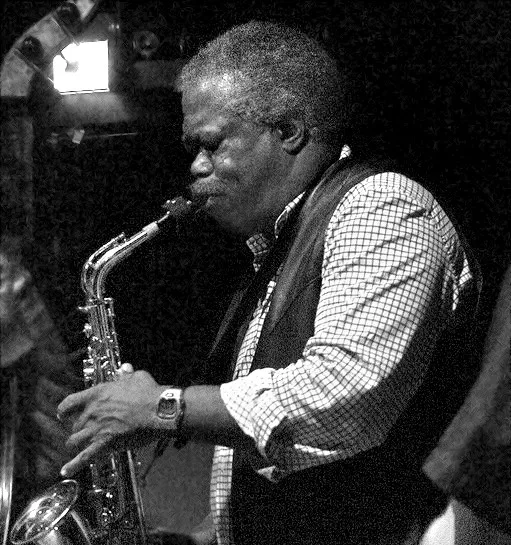
Photo: The original uploader was Mind meal at English Wikipedia., CC BY-SA 2.0, via Wikimedia Commons
At 1:14 a.m. on a Tuesday in Omaha, the last fan has wandered out, the headliner's trailer is somewhere past Lincoln, and the bartender at a 320-cap room is doing something she calls "opening the stage back up." She flips a breaker. A single amber lamp over the drum riser glows. Nobody is playing.
She does this every night. She's not alone.
The Ghost Show
Ask around the mid-size venue circuit and you'll hear it described a dozen ways: the ghost show, the dead set, keeping the pilot lit. The specifics vary, but the core idea is the same—a deliberate refusal to let the stage go completely dark or completely quiet once the night is technically over.
Some rooms run the PA at a whisper with an ambient playlist. A few plug a guitar into a combo amp in the corner and leave it there, tuned, like a fire extinguisher. The most committed keep one channel of the desk alive with a room mic, so the space itself is technically still recording. It's not a show. There's no audience. And yet the ritual matters enough that people are paying the electric bill for it.
Superstition, or Something Like It
"I know how it sounds," says a sound engineer who's worked club stages from Asheville to Bellingham and asked not to use his name because, quote, "touring acts think I'm weird enough already." "But a cold room is a dead room. You ever walk into a venue where everything's been shut off—amps cold, lights dead, stage pitch black? It feels like a morgue. The next band feels that. I promise you they feel that."
Whether there's actual physics behind it is debatable. Amps and consoles do sound different cold—capacitors, tube warmth, all the folklore your guitar-center uncle recites—but most engineers admit the effect is mostly psychological. That doesn't make it less real to them.
There are rules, though. Unwritten ones. Nobody plays the ghost rig. Nobody mics it. The house lights stay low but never off. One venue owner in the Midwest keeps a 60-watt bulb in an old socket backstage that has allegedly never been unscrewed since 1987. "We redid the whole electrical panel in 2019," he says. "That bulb got its own dedicated line. My electrician thought I was insane."
The Economics of Keeping a Light On
Here's the thing: this costs money, and these are not rich businesses. A single stage wash left on overnight is a rounding error, sure, but a PA on standby with a compressor humming? Multiply that by 200 nights a year and it's real. So why do it?
The answers circle back to the same idea: rooms have memory, and owners are terrified of breaking it.
"A good room is like a pitcher in baseball," one booker explains. "You don't mess with the routine. We had a rough stretch in 2022—bad shows, weak draws, whatever. I started leaving the stage lamps on overnight as a joke, half a superstition. We had a hot run after. I'm not saying it's causal. I'm also never turning them off."
There's a practical logic buried in the superstition, too. Leaving a guitar strung and an amp on standby means the 11 p.m. opener who forgot their own gear, or the Tuesday open-mic regular, can get rolling in ninety seconds. The ghost rig doubles as hospitality. It tells the next person in the room: someone was here before you, and someone will be here after.
The Bartender Who Swears the Room Wakes Up at Midnight
Ask the people who close these places and you'll get the most poetic version of the theory. A bartender at a legacy room in the Rust Belt—300 seats, sticky floor, legendary low ceiling—puts it simply: "The room plays better at midnight. I've heard a thousand soundchecks in here and a thousand encores, and the room is warmer at midnight. Not temperature. Warmer."
Engineers roll their eyes at this. Then, quietly, some of them agree. A room that's been pushed by a crowd for three hours has absorbed heat, humidity, bodies. The wood's a little different. The air's a little different. Whether any of that survives the crowd leaving is anyone's guess, but the belief is load-bearing. These rooms run on belief.
Nobody's Putting It on a Rider
Don't expect this to show up in contract riders anytime soon. No act is demanding a lit stage at 3 a.m. It's the opposite of a production rider item—it's the stuff that happens when production has gone home. It exists in the gap between the business of live music and the reason people got into it in the first place.
And that might be the point. In an era when venues are getting bought, consolidated, renamed, and fitted with LED everything, the ghost show is a small act of stubbornness. A light left on for nobody is a statement: this stage is not a screen that turns off. It's a hearth.
So if you're ever the last one out of a club and you notice a single lamp glowing over an empty drum kit—now you know. Someone's keeping the pilot lit. The room plays better that way. Ask anyone who closes the place.