Fifty Copies and a Rubber Stamp: Why the CD-R Refused to Die Quietly

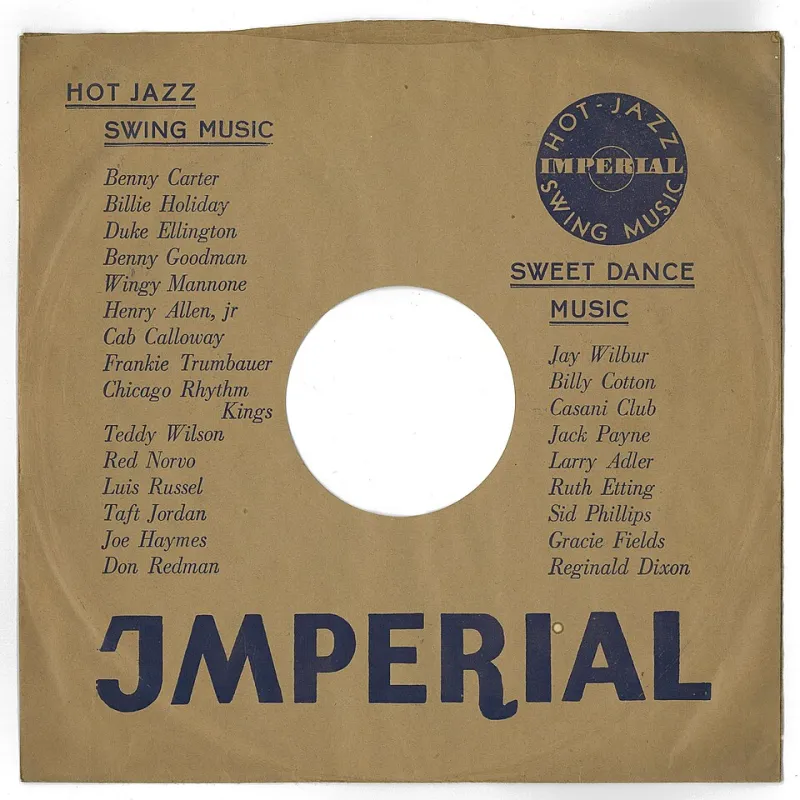
Photo: Tisdale, W. H. (Wendell Holmes), 1892-, No restrictions, via Wikimedia Commons
The burn tower lives in a spare room in Richmond, Virginia, next to a box of jewel cases and a folding table that gets used four times a year. On a Sunday in October it ran for six hours, spitting out eighty discs at 8x — slow on purpose, because slow burns are cleaner — while a guy named Marcus stamped sleeves by hand with a rubber stamp he bought for nineteen dollars.
That's the whole operation. Eighty copies of a nine-song record, numbered on the back in pencil, packed with a download code on a card the size of a business card. They sold out in five days, most of them at three shows and the rest through a Bandcamp page that got maybe two hundred visitors.
The Vinyl Line Is Basically a Mortgage
Here's the math that keeps this going. Pressing three hundred twelve-inches in 2026 means a plating fee, a test pressing, a minimum order, and a wait that most small labels quote as six to twelve months, with the caveat that it has been worse. Total outlay frequently clears $2,000 before shipping, and that's for the cheapest packaging.
For a band that has never toured past three states, that's not a product decision. That's a bet. And if the record doesn't move, the band is sitting on a pallet.
What a CD-R Actually Costs
A spindle of blank discs runs about thirty cents a unit if you buy right. A four-drive burner tower is a couple hundred dollars used and lasts years. Sleeves, printed inserts, a stamp, an ink pad, and a stack of download-code cards add a dollar or so per copy. Most of these labels land at $1.50 to $3.50 per finished disc.
Sell them for eight to twelve dollars and a run of a hundred returns a few hundred dollars — not life-changing money, but enough to pay for the next run and put gas in the van. The economics aren't the point. The economics just make the point possible.
Small on Purpose
What separates a 2026 CD-R release from the landfill-era CD-Rs of the 2000s is that the smallness is deliberate. Runs are numbered. Sleeves are stamped, stitched, spray-painted, or glued by hand, which means every copy is slightly wrong in a way that can be documented. Nothing gets repressed. When it's gone, it's gone, and the label says so in the listing.
Labels doing this well — Slow Fade Editions out of Philadelphia, Half-Step in Kansas City, Weathervane on the East Bay — treat the disc less like inventory and more like an event. Announcement on a Tuesday, fifty copies, sold out by the weekend, and a photograph of the stamping table posted afterward like a receipt.
An Object With a Deadline
There's a practical argument and a sentimental one. The practical: a CD-R plays in a car, rips to a laptop, sits in a jewel case on a shelf, and comes with a code so nobody has to choose between the object and the convenience. The sentimental: everyone involved knows the format has a shelf life. Disc rot is real. Cheap dye layers degrade. A CD-R is not an heirloom, and buyers know it.
Which is, weirdly, the appeal. A record can sit unopened for thirty years. A CD-R asks you to do something with it now — rip it, play it, put it in the glovebox, photograph the stamp before it fades. It behaves like a ticket stub instead of a monument.
The Format Nobody Was Supposed to Want
Every few years someone declares the CD-R dead in public and then a label sells three hundred of them in a month. Part of that is vinyl's success pricing out the bottom of the market. Part of it is streaming's amnesia: a playlist is infinite and weightless, and there's a specific kind of relief in buying the one object that exists in fifty copies.
Part of it, honestly, is that a digital release feels like a notification and a disc feels like a thing you can hand to someone after a set. Marcus puts it simply: “People don't want a CD. They want the one I stamped.”